

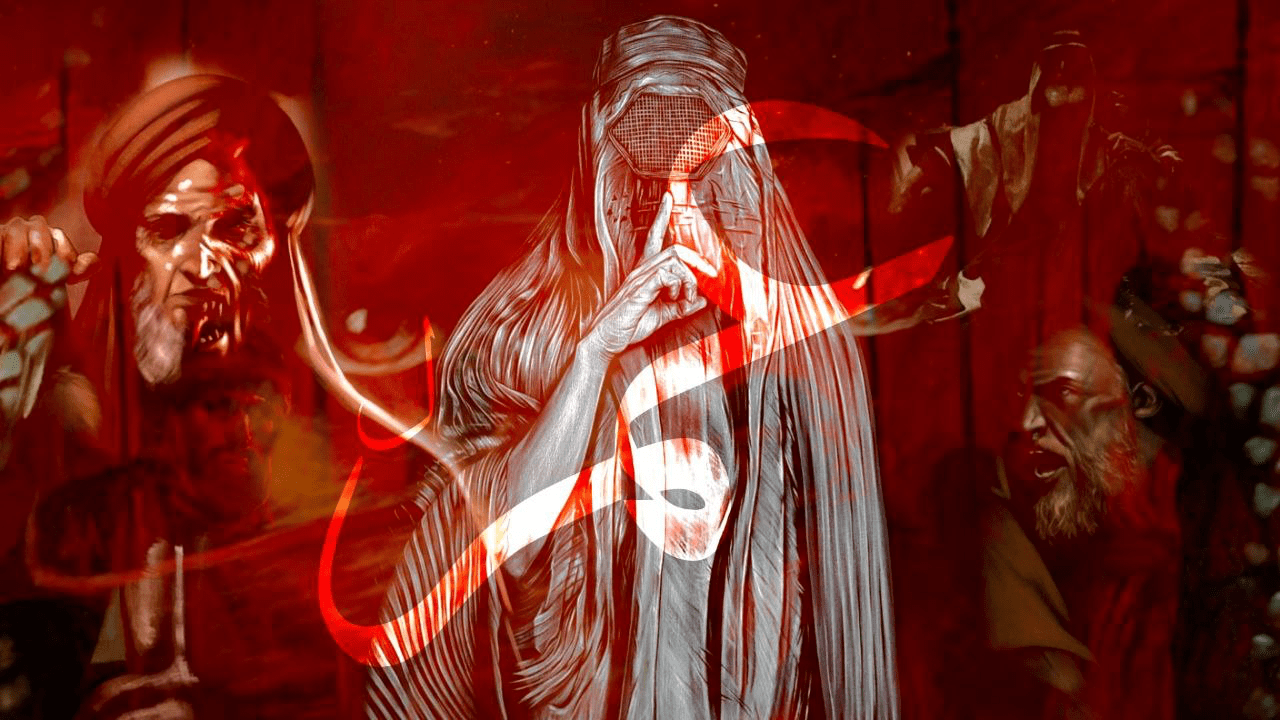
Omar’s behavior with women
Omar’s behavior with women during his reign
1. Abortion for fear of life
2. Urinating a woman, for fear of life
3. Omar beat the women who had gathered in Maimuneh’s house
4. Omar would enter people’s houses at night and beat women
5. Omar rushed to Aisha’s house
6. Omar beat Abu Bakr’s sister
7. Abu Bakr’s sister, the first person who tasted the whip of Omar
8. Omar beat his son for wearing a beautiful dress
9. Omar beat his wife in the middle of the night
10. Abu Bakr’s daughter did not want to marry Omar
11. Omar entered the house sullenly and left sullenly
12. Life and forced marriage with Ataka
13. Omar beat the maids and did not allow them to wear hija
Results
This is Timeline description, you can change me anytime click here
Question:
A cursory review of Arab culture reveals that the Arabs were, more than any other nation, deeply protective of women and intolerant of any form of humiliation or oppression against them. Historical accounts even mention that they killed a Jewish man from the Bani Qainuqa tribe for insulting a Muslim woman.
Given this, how can it be accepted that Umar ibn al-Khattab allegedly struck a woman, and not just any woman, but Lady Fatima al-Zahra (peace be upon Her), the beloved daughter of the Messenger of Allah (peace be upon Him), without any backlash and reaction from the Arabs, who were known for their Arabic enthusiasm on women??
Reviewing and Evaluating this claim:
Jahiliah Arabs and their value for women
One of the undeniable traits of the pre-Islamic Arabs was the burying alive of their daughters, a practice confirmed both by the Qur’an and by clear historical evidence.
Our question is this: that very sense of honor you so proudly recount, where was it when they laid their daughters in the ground? The Almighty Allah, in recalling this bitter reality, declares in the Holy Quran:
وإذا الموؤودة سئلت بأي ذنب قتلت ” وقد كانوا أيضا يقتلون الأولاد من الاملاق وهو الفقر أو خشية الاملاق أن يحصل لهم في تلف المال. 81:8,9
People in the pre-islam era killed their children for fear of poverty or lack of food.
📚 Al-Qurashi al-Damashqi, Ismail bin Omar bin Kathir Abu al-Fada (died 774 AH), Tafsir al-Qur’an al-Azeem, vol. 2, p. 181, publisher: Dar al-Fakr – Beirut – 1401 AH.
He also writes:
والموؤدة: هي التي كان أهل الجاهلية يدسونها في التراب كراهية البنات.
The word “Mawoudah” in the Quran refers to the girls that were buried alive by Arabs of Jahiliyah time (pre-islam) ; Because they disliked their daughter.
📚 Al-Qurashi al-Damashqi, Ismail bin Omar bin Kathir Abu al-Fada (died 774 AH), Tafsir al-Qur’an al-Azeem, vol. 4, p. 478, publisher: Dar al-Fakr – Beirut – 1401 AH.
And then he narrates this story:
قال قدم قيس بن عاصم علي رسول الله صلي الله عليه وسلم فقال يا رسول الله: إني وأدت اثنتي عشرة ابنة لي في الجاهلية أو ثلاث عشرة قال ” أعتق عددهن نسما.
Qays bin Asim went to the Messenger of God (PBUH) and said: “O Messenger of God! I buried twelve or thirteen of my daughters alive during the period of ignorance (pre-islam).” The Messenger of God (PBUH) replied: “You should free one slave according to their number.”
📚 Al-Qurashi al-Damashqi, Ismail bin Omar bin Kathir Abu al-Fada (died 774 AH), Tafsir al-Qur’an al-Azeem, vol. 4, p. 479, publisher: Dar al-Fikr – Beirut – 1401 AH.
Beating and stealing the clothes of the Prophet’s daughters in Karbala:
The very same Arabs who are praised so much for their fake enthusiasm on women and this has been used as an excuse to claim that their (fake) enthusiasm prevented them from beating girls and women but in the bloody incident of the year 61 Hijri, the martyrdom of Imam Hussain, peace be upon him, in the land of Karbala, the daughters of the Messenger of God, (peace and blessings of God be upon him), were beaten in the most heinous manner. al-Sahaba , vol. 7, p. 712, Research: Ali Muhammad al-Bajawi, Publisher: Dar Al-Jil – Beirut, Edition: Al-Awli, 1992-1412., in the bloody incident of the year 61 Hijri, and in the case of the martyrdom of Rayhana al-Rasul Imam Hussain, peace be upon him, in the land of Karbala, the daughters of the Messenger of God, peace be upon him. They beat Allah (peace be upon him) in the worst way.
In this sad tragedy, there was no such thing as ”enthusiasm on women” among the Arabs. Or perhaps when they were beating the daughters of the Messenger of God, (peace and blessings of God be upon him and his family), did they forget that they are Arabs and their so called “enthusiasm” should prevent them from beating women and girls?!
Sheikh Sadouq, may God bless him and grant him peace, quotes from Fatima, the daughter of Imam Hussain, peace be upon him:
قَالَ دَخَلَتِ الْغَانِمَةُ [الْعَامَّةُ] عَلَيْنَا الْفُسْطَاطَ وَأَنَا جَارِيَةٌ صَغِيرَةٌ وَفِي رِجْلِي خَلْخَالانِ مِنْ ذَهَبٍ فَجَعَلَ رَجُلٌ يَفُضُّ الْخَلْخَالَيْنِ مِنْ رِجْلِي وَهُوَ يَبْكِي فَقُلْتُ مَا يُبْكِيكَ يَا عَدُوَّ اللَّهِ فَقَالَ كَيْفَ لا أَبْكِي وَأَنَا أَسْلُبُ ابْنَةَ رَسُولِ اللَّهِ فَقُلْتُ لا تَسْلُبْنِي قَالَ أَخَافُ أَنْ يَجِي ءَ غَيْرِي فَيَأْخُذَهُ قَالَتْ وَانْتَهَبُوا مَا فِي الْأَبْنِيَةِ حَتَّي كَانُوا يَنْزِعُونَ الْمَلاحِفَ عَنْ ظُهُورِنَا.
Fatima, the daughter of Imam Hussain, (peace be upon him) says: Looters attacked our tent and I was a young girl and I had gold anklets on my feet. A man kidnaps them and cries.
I asked: “You enemy of God, Why are you crying?”
He replied: “Why should I not cry that I am robbing the daughter of the Messenger of God?”
I said: “Stop robbing me.”
He replied: “I am afraid that someone else will steal them from you instead!”.<br/ >They looted everything in our tents until they took away the cloaks from our heads.
📚 Al-Sadooq, Abu Ja’far Muhammad bin Ali bin Al-Hussein (died 381 AH), Al- Amali , p. 229, research and publication: Section of Islamic Studies – Al-Baath Foundation, the printing and publishing center of Al-Baath Foundation, first edition, 1417 AH.
Hamid bin Muslim, one of the witnesses of the incident, says:
قَالَ حُمَيْدُ بْنُ مُسْلِمٍ فَوَ اللَّهِ لَقَدْ كُنْتُ أَرَي الْمَرْأَةَ مِنْ نِسَائِهِ وَ بَنَاتِهِ وَ أَهْلِهِ تُنَازَعُ ثَوْبَهَا عَنْ ظَهْرِهَا حَتَّي تُغْلَبَ عَلَيْهِ فَيُذْهَبَ بِهِ مِنْهَا.
By God, I saw a woman from that gentleman’s family who kept her clothes on so that they wouldn’t be taken away and insisted on this; But in the end, they took him away by force.
📚 Sheikh Al-Mufid, Muhammad bin Muhammad bin Al-Nu’man Ibn al-Moallem Abi Abdullah Al-Akbari, Al-Baghdadi (died 413 AH), Al-Irshad fi Marafah Hajjullah Ali Al-Abad, vol. 2, p. 113, research: Al-Bayt Foundation, peace be upon them, to achieve heritage, publisher: Dar Al-Mufid for Printing and Publishing and distribution – Beirut – Lebanon, edition: 1414 AH – 1993 AD.
And regarding the beating of women on the day of Ashura, you can refer to the narration narrated by Allameh Majlisi, may Allah be pleased with him, in Bihar al-Anwar, vol. 45, p. 61.
Torturing Sumayya and killing her:
If the enthusiasm of Arabs really prevented them from beating women, then why did they not only beat Sumayya, the mother of Ammar Yasser; Rather, they tortured her so much that she died under torture? Ibn Hajar Asqalani writes in the injury:
( 11342 ) سمية بنت خباط… والدة عمار بن ياسر كانت سابعة سبعة في الاسلام عذبها أبو جهل وطعنها في قبلها فماتت فكانت أول شهيدة في الاسلام… عذبها آل بني المغيرة علي الاسلام وهي تأبي غيره حتي قتلوها وكان رسول الله صلي الله عليه وسلم يمر بعمار وأمه وأبيه وهم يُعذّبون بالأبطح في رمضاء مكة فيقول صبرا يا آل ياسر موعدكم الجنة.
Sumayya, the daughter of Khabat… Ammar Yasser’s mother is the seventh person who converted to Islam, Abu Jahl tortured her and stabbed her under the belly with a spear so much that she got martyred, and she is the first female martyr in Islam. Since she had converted to Islam and did not revert at any cost, the Bani Mughayra family harassed her and tortured her until she was killed. The Messenger of God (PBUH) was witnessing the scene of torturing Ammar and his mother and father in Mecca and said:
“O family of Yasser! Be patient because Paradise is your destination.”
📚 Al-Asqalani, Ahmad bin Ali bin Hajar Abu al-Fazl al-Shafi’i, Al- Haadafi fi Chassir al-Sahaba , vol. 7, p. 712, Research: Ali Muhammad al-Bajawi, Publisher: Dar Al-Jil – Beirut, Edition: Al-Awli, 1992-1412.
Omar and violence against women:
With a shallow review of the life of Umar Ibn Khattab, we will come to the point that he did not behave decently with women in any period of his life. Whether it was when he was a polytheist, when he became a Muslim, or during his kingdom when he was ruling the people.
Several cases can be mentioned for each of these cases; But we will briefly mention a few things.
Omar’s behavior with women before becoming a Muslim:
Some Sunni scholars such as Shams al-Din Dhahabi in the book ‘history of Islam’, Muhammad bin Saad in his book ‘Al-Tabataq al-Kubra’ etc. have narrated that after Umar bin Khattab learned about the conversion of his sister and her husband to Islam, he went to their house and beat his sister’s husband. His sister intervened to defend her husband, Umar punched her in the face so much that blood flowed from her face.
فمشي عمر فأتاهما وعندهما خباب فلما سمع بحس عمر تواري في البيت فدخل فقال: ما هذه الهينمة؟ وكانوا يقرءون طه قالا: ما عدا حديثا تحدثناه بيننا قال: فلعلكما قد صبأتما؟ فقال له ختنه: يا عمر إن كان الحق في غير دينك؟ فوثب عليه فوطئه وطئا شديدا فجاءت أخته لتدفعه عن زوجها فنفحها نفحة بيده فدمي وجهها.
Omar went to those two (his sister and her husband); Khabab was also there and when he felt that Omar was coming, he hid in the house. Omar said: “What are these noises?” – They were reciting Surah Taha – They replied: “Nothing, we were just speaking to each other” Umar said: “Maybe you have left the religion?”
Her sister’s husband replied: “O Omar; What will you do if the truth is in a religion other than yours?”
Omar attacked him and kicked him.His sister went to defend her husband; But Umar hit her on the face with his hand and so, her face got bloody.📚 Al-Nimiri al-Basri, Abu Zayd Omar bin Shaba (died 262 AH), Tarikh al-Madinah al-Munawarah , vol. 1, p. 348, research by Ali Muhammad Dandel and Yassin Saad al-Din Bayan, publisher: Dar al-Kutub al-Elamiya – Beirut – 1996-1417 AH;
📚 Al-Balazari, Ahmad bin Yahya bin Jaber (died 279 AH), Ansab al-Ashraf , vol. 3, p. 386;
📚 Al-Maqdisi al-Hanbali, Abu Abdullah Muhammad bin Abdul Wahid bin Ahmad (died 643 AH), Al-Ahadith al-Mukhtarah, vol. 7, p. 141, research by Abdul Malik bin Abdullah bin Daheesh, publisher: Makkah Al-Nahda al-Hadithah Library, Makkah Al-Mukarrama, first edition, 1410 AH;
📚 Al-Dhahabi, Shams al-Din Muhammad bin Ahmed bin Othman, (died 748 AH), History of Islam and Deaths of Famous People, vol. 1, p. 174, Research D. Omar Abd al-Salam Tadmuri, publisher: Dar al-Kitab al-Arabi – Lebanon/Beirut, first edition, 1407 AH – 1987 AD;📚 Al-Asqalani al-Shafi’i, Ahmed bin Ali bin Hajar Abu al-Fazl (died in 852 AH), al-Matlib al-Aaliyah , vol. 17, p. 259 , research: d. Saad bin Nasser bin Abdulaziz al-Shattri, publisher: Dar al-Dashqai/Dar al-Ghaith – Saudi Arabia, first edition, 1419 AHIbn Kathir Damaschi also narrates as follows:
فقامت إليه أخته فاطمة بنت الخطاب لتكفه عن زوجها فضربها فشجها.
Fatima bint Khattab went to defend her husband, Umar hit her so hard that her head broke!!!
📚 Al-Qurashi al-Damashqi, Ismail bin Omar bin Kathir Abu al-Fada (died 774 AH), Al-Badat al-Nahiya , vol. 3, p. 80, Publisher: Al-Ma’arif Library – Beirut.
Omar beat the Muslim woman:
Also, Sunni elders report about Umar’s abuse towards women and slave girls who had converted to Islam:
ومر [ابوبكر] بجارية بني مؤمل، حي من بني عدي بن كعب، وكانت مسلمة، وعمر بن الخطاب يعذبها لتترك الاسلام، وهو يومئذ مشرك، وهو يضربها، حتي إذا مل قال: إني أعتذر إليك، إني لم أتركك إلا ملالة، فتقول: كذلك فعل الله بك.
Abu Bakr saw that a Muslim maidservant from Banu Mu’mal from Udi bin Ka’b’s family, Omar was beating her so that she would give up Islam and stop being a Muslim (because Omar was still a polytheist). He hit her as much as he got exhausted. Then Umar said: If I’m not beating you, it’s because I’m exhausted, forgive me for that.” The maid replied: Know that God will also treat you like this.
📚 Al-Hamiri al-Maafari, Abdul Malik bin Hisham bin Ayyub Abu Muhammad (died 213 AH), Prophetic Life, vol. 2, p. 161, research by Taha Abdul Rauf Saad, publisher: Dar Al-Jil, first edition, Beirut – 1411 AH;
📚 Al-Shaybani, Ahmed bin Hanbal Abu Abdullah (died 241 AH), Fadael al-Sahaba , vol. 1, p. 120, research d. Wasiullah Muhammad Abbas, publisher: Al Risala Foundation – Beirut, first edition, 1403 AH – 1983 AD;
📚 Al-Kula’i al-Andalsi, Abu al-Rabi’ Suleiman bin Musa (died 634 AH), Al- Iktifa Bama Ta’nih Man Maghazi Rasulullah Wal-Thalaha Al-Khalifa, vol. 1, p. 238, Research D. Muhammad Kamal al-Din Ezz al-Din Ali, publisher: Alam al-Kutub – Beirut, first edition, 1417 AH;
📚 Al-Ansari al-Talmsani , Muhammad bin Abi Bakr known as Balbari (died 644 AH) Al-Jawhara fi Nasab Nabi wa Asahaba al-Ashrah, vol. 1, p. 244;
📚 Al-Tabari, Ahmed bin Abdullah bin Muhammad Abu Jafar (died 694 AH), Al-Riyadh al-Nadrah fi Manaqib al-Ashrah, vol. 2, p. 24, research of Isa Abdullah Muhammad Mana al-Hamiri, publisher: Dar al-Gharb al-Islami – Beirut, edition: Awli, 1996;
📚 Al-Nawiri, Shahab al-Din Ahmed bin Abd al-Wahhab (died 733 AH), End of Arabia in the Arts of Literature, vol. 16, p. 162, useful research of Qomhiya and Jama’ah, publisher: Dar al-Kutub al-Elamiya – Beirut, first edition, 1424 AH – 2004 AD.
Omar’s behavior with women during the lifetime of Prophet (PBUH):
There are evidences that Umar bin Khattab used to attack Muslim women and beat them under false impressions, even in the presence of the Messenger of God, (PBUH)
Ahmad bin Hanbal writes in his Musnad:
عَنِ ابْنِ عَبَّاسٍ قَالَ… فَلَمَّا مَاتَتْ زَيْنَبُ ابْنَةُ رَسُولِ اللَّهِ صَلَّي اللَّهُ عَلَيْهِ وَسَلَّمَ قَالَ رَسُولُ اللَّهِ صَلَّي اللَّهُ عَلَيْهِ وَسَلَّمَ الْحَقِي بِسَلَفِنَا الصَّالِحِ الْخَيْرِ عُثْمَانَ بْنِ مَظْعُونٍ فَبَكَتْ النِّسَاءُ فَجَعَلَ عُمَرُ يَضْرِبُهُنَّ بِسَوْطِهِ فَأَخَذَ رَسُولُ اللَّهِ صَلَّي اللَّهُ عَلَيْهِ وَسَلَّمَ بِيَدِهِ وَقَالَ مَهْلًا يَا عُمَرُ ثُمَّ قَالَ ابْكِينَ وَإِيَّاكُنَّ وَنَعِيقَ الشَّيْطَان….
Zainab, the daughter of the Messenger of God (PBUH) passed away, He (PBUH) said:
“God joined her to the righteous predecessor Uthman bin Mazoun.”
The women cried upon hearing those words of the Prophet (PBUH), Omar began to beat the women with a whip in his hand in the presence of the Messenger of God (PBUH), which got confronted with the sharp reaction of Prophet Muhammad (PBUH):
”What do you do with these women? let them cry, then he said to the women: cry; But beware of satanic moans (moans that are associated with sin and objection to God)…
📚 Al-Shaybani, Ahmed bin Hanbal Abu Abdullah (died 241 AH), Musnad Ahmad bin Hanbal, vol. 1, p. 237, publisher: Qortobah Foundation – Egypt;
📚 Al-Nisabouri, Muhammad bin Abdullah Abu Abdullah Al-Hakim (died 405 AH), Al-Mustadrak Ali Al-Saheehin, vol. 3, p. 210, research: Mustafa Abd al-Qadir Atta, publisher: Dar al-Kutub al-Elamiya – Beirut, edition: Al-Awli, 1411 AH – 1990 AD;
📚 Al-Shoukani, Muhammad bin Ali bin Muhammad (died 1255 AH), Nil Al-Awtar Man Ahadith Sayyid Al-Akhyar, Sharh Muntaqi al-Akhbar, vol. 4, p. 149, Publisher: Dar Al-Jil, Beirut – 1973;
📚 Al-Mubarakfouri, Muhammad Abd al-Rahman bin Abd al-Rahim Abul Al-Ala (died 1353 AH), Al-Ahudzi’s masterpiece in the description of Jami Al-Tirmidhi, vol. 4, p. 75, Publisher: Dar al-Kutub al-Elamiya – Beirut.
person who is so bold and beats Muslim women in the presence of the Messenger of God, may God bless him and grant him peace, at a time when the government is in his hands and the club is in the hands of Khalid bin Waleed, Mugheera bin Sha’ba, Qunfud al-Adavi and… They accompany him, will he refrain from beating women?
Among the women who cried for Zainab, it is very likely that there were people from the family of the Messenger of God, and the one who is exposed to the women and his family in the presence of the Messenger of God, after that Imam and when the issue It is important for him to reach power and rely on the post of caliphate, doesn’t his courage multiply?
In three places of his book, Mohammad Bin Ismail Bukhari narrates the story of Souda going out in the dark of the night from Ayesha and writes:
عَنْ هِشَامٍ عَنْ أَبِيهِ عَنْ عَائِشَةَ، رضي الله عنها، قَالَتْ خَرَجَتْ سَوْدَةُ بَعْدَ مَا ضُرِبَ الْحِجَابُ لِحَاجَتِهَا، وَكَانَتِ امْرَأَةً جَسِيمَةً لاَ تَخْفَي عَلَي مَنْ يَعْرِفُهَا، فَرَآهَا عُمَرُ بْنُ الْخَطَّابِ فَقَالَ يَا سَوْدَةُ أَمَا وَاللَّهِ مَا تَخْفَيْنَ عَلَيْنَا، فَانْظُرِي كَيْفَ تَخْرُجِينَ، قَالَتْ فَانْكَفَأَتْ رَاجِعَةً، وَرَسُولُ اللَّهِ، صلي الله عليه وسلم، فِي بَيْتِي، وَإِنَّهُ لَيَتَعَشَّي. وَفِي يَدِهِ عَرْقٌ فَدَخَلَتْ فَقَالَتْ يَا رَسُولَ اللَّهِ إِنِّي خَرَجْتُ لِبَعْضِ حَاجَتِي فَقَالَ لِي عُمَرُ كَذَا وَكَذَا. قَالَتْ فَأَوْحَي اللَّهُ إِلَيْهِ ثُمَّ رُفِعَ عَنْهُ وَإِنَّ الْعَرْقَ فِي يَدِهِ مَا وَضَعَهُ فَقَالَ « إِنَّهُ قَدْ أُذِنَ لَكُنَّ أَنْ تَخْرُجْنَ لِحَاجَتِكُنَّ ».
Aisha reported that Sauda went out (in the fields) in order to answer the call of nature even after the time when veil had been prescribed for women. She had been a bulky lady, significant in height amongst the women, and she could not conceal herself from him who had known her. ‘Umar b. Khattab saw her and said: “Sauda, by Allah, you cannot conceal from us, so be careful how you go out.” She (aisha) said: She turned back. Allah’s Messenger (ﷺ) was at that time in my house having his evening meal and there was a bone in his hand. She (Sauda) cline and said: Allah’s Messenger. I went out and ‘Umar said to me so and so. She (‘A’isha) reported: There came the revelation to him and then it was over; the bone was then in his hand and he had not thrown it and he said:” Permission has been granted to you that you may go out for your needs.”
📚 Sahih al-Bukhari, vol. 1, p. 67, h. 146 [Sahih] [View]
📚 Sahih al-Bukhari, vol. 4, p. 1780, h. 4479 [Sahih] [View]
📚 Sahih al-Bukhari, vol 4, p. 1800, H4517 [Sahih] [View]
📚 Sahih al-Muslim, book 29, Hadith. 23 [Sahih]
🌐[👉 View 👈]
📚 Sahih al-Muslim, book 32, Hadith. 5395 [Sahih] [View]
Who has allowed Omar to talk to the mothers of believers in such an insulting way? Except that they, like other people, had to go out to do some things in life, and according to the text of the narration, this work was done with the permission of the Holy Prophet of Islam.
Was Omar bin Al-Khattab more jealous than the Prophet?
It is interesting that some Sunni scholars have considered this story to be one of Omar Ibn Khattab’s great virtues and to annoy Umm al-Mu’minin Suda.
Muhammad al-Alusi a famous Sunni commentator, writes about this:
وعد الشيعة ما وقع منه رضي الله تعالي عنه في خبر ابن جرير من المثالب قالوا: لما فيه من سوء الأدب وتخجيل سودة حرم رسول الله صلي الله عليه وسلم وإيذائها بذلك. وأجاب أهل السنة بعد تسليم صحة الخبر أنه رضي الله تعالي عنه رأي أن لا بأس بذلك لما غلب علي ظنه من ترتب الخير العظيم عليه….
Shias blame Omar for what happened to him and consider him as one of his faults. Because this action of his is disrespectful to the Prophet’s family and embarrassing the wife of the Messenger of God (PBUH) and harassing him.
Ahl al-Sunnah have answered that: on the assumption that the narration is true; But he thought that this move would be right and would bring blessing .
📚 Al-Alousi al-Baghdadi, Allama Abi al -Fazl Shahab al-Din al-Sayed Mahmud (died 1270 AH), Ruh al-Ma’ani fi Tafsir al-Qur’an al-Azeem and Al-Saba al-Mathani, vol. 22, p. 72, publisher: Dar Ihiya al-Tarath al-Arabi – Beirut.
Yes, no one except Umar b. Khattab had the courage and strength to do such a thing. A person who during the lifetime of the Holy Prophet (PBUH) tormented his wives and spoke to them with insulting words and made them embarrassed, after the Holy Prophet and at the time when the government and power is in his hands, is it from the torment? Will the family of the Messenger of God, may God bless him and grant him peace, abstain?
Omar’s behavior with women during his reign:
Omar bin Khattab, whose violence became a part of his nature and was hidden in his existence, his strictness and violent behavior with women became more intense during his caliphate. So much so that if he summoned one of the Muslim women, he would be filled with so much fear and terror that in some cases they would even abort the child in their wombs due to Omar’s fear and violence.
أَرْسَلَ عُمَرُ بنُ الْخَطَّابِ رَضِيَ اللَّهُ عَنْهُ إِلي امْرَأَةٍ مُغِيبَةٍ كَانَ يُدْخَلُ عَلَيْهَا، فَأَنْكَرَ ذالِكَ، فَأَرْسَلَ إِلَيْهَا، فَقِيلَ لَهَا: أَجِيبِي عُمَرَ، فَقَالَتْ: يَا وَيْلَهَا مَا لَهَا وَلِعُمَرَ! فَبَيْنَمَا هِيَ في الطَّرِيقِ فَزِعَتْ، فَضَرَبَهَا الطَّلْقُ، فَدَخَلَتْ دَارَاً فَأَلْقَتْ وَلَدَهَا، فَصَاحَ الصَّبِيُّ صَيْحَتَيْنِ ثُمَّ مَاتَ.
Omar summoned a woman who had been visiting him, after hearing the news, that woman shouted: “Woe to me, what will happen to Omar!” In the middle of the way, suddenly the pain of giving birth took over that woman, she entered a house, she gave birth to her child; But that child screamed twice and died.
📚 Al-Sanaani, Abu Bakr Abd al-Razzaq bin Hammam (died 211 AH), Al-Musnaf , vol. 9, p. 458, 18010, Chapter Man Afza’ah Al-Sultan, Research by Habibur Rahman Al-Adhami, Publisher: Al-Mabak Al-Islami – Beirut, Edition: 2nd, 1403 AH.
The certainty of this matter from the point of view of Sunni scholars has been such that they have cited it even in jurisprudence books.
Muhyiddin Nawi writes in al-Majmuj:
( فصل ) وان بعث السلطان إلي امرأة ذكرت عنده بسوء ففزعت فألقت جنينا ميتا وجب ضمانه لما روي ( أن عمر رضي الله عنه أرسل إلي امرأة مغيبة كان يدخل عليها، فقالت يا ويلها مالها ولعمر، فبينا هي في الطريق إذا فزعت فضربها الطلق، فألقت ولدا فصاح الصبي صيحتين ثم مات.
If a woman is slandered by the governor and the commander and they accuse her, then the governor sends someone to summon her and that woman miscarries the child in her womb out of fear, it is up to the governor to pay her ransom. Because it has been narrated that Omar was informed that a woman and men were going back and forth to him. Omar sent someone to summon the woman. When he heard that, he said: What should I do with Omar? In the middle of the way, she was afraid of giving birth and gave birth to her child. The aborted child screamed twice and died.
And then he writes:
( مسألة ) إذا بعث السلطان إلي امرأة ذكرت عنده بسوء وكانت حاملا ففزعت فأسقطت جنينها وجب علي الامام ضمانه. وقال أبو حنيفة لا يجب….
وقال أحمد: تجب الدية في المرأة أيضا لأنها نفس هلكت بارساله إليها فضمنها كجنينها، أو نفس هلكت بسببه فغرمها، كما لو ضربها فماتت.
If a woman before the ruler and the caliph complains about his ugly act, and that woman is pregnant and aborts her fetus, it is obligatory on the Muslim Imam to pay her dowry, this fatwa is from Abu Hanifah. And Ahmad Peshwa of the Hanbalis said: In addition to the child, a dowry must also be paid for the woman; because the ruler has summoned him; Therefore, it is also the guarantor of the preservation of the woman; Like hitting a woman and she dies.
📚 Al-Nawawi, Abi Zakaria Muhyiddin (died 676 AH), al-Majmoj , vol. 19, p. 12, publisher: Dar al-Fikr for printing and distribution, second supplement.
And Ibn Qudama Moghdisi, the famous jurist of Hanbali, writes:
( فصل ) إذا بعث السلطان إلي امرأة ليحضرها فأسقطت جنينا ميتا ضمنه لما روي أن عمر رضي الله عنه بعث إلي امرأة مغيبة كان يدخل عليها فقالت يا ويلها مالها ولعمر فبينا هي في الطريق إذا فزعت فضربها الطلق فألقت ولدا فصاح الصبي صيحتين فمات.
If a ruler summons a woman and that woman gives birth to a dead fetus, the ruler is a guarantor….
📚 Al-Maqdisi, Abdullah bin Ahmed bin Qadama Abu Muhammad (died 620 AH), al-Mughni fi fiqh of Imam Ahmad bin Hanbal al-Shaybani, vol. 8, p. 338, publisher: Dar al-Fikr – Beirut, edition: Al-Awli, 1405 AH.
Ibn Hanbal also mentioned the same thing in the book Kafi Fi Fiqh of Ibn Hanbal:
📚 Al-Maqdisi, Abdullah bin Ahmed bin Qadama Abu Muhammad (died 620 AH), al-Kafi fi fiqh of Imam al-Mubajjal Ahmad bin Hanbal, vol. 4, p. 60, publisher: Al-Maqub al-Islami – Beirut
Bhuti Hanbali also writes:
( ضمن السلطان ما كان بطلبه ابتداء ) أما الجنين فلما روي: أن عمر بعث إلي امرأة نفيسة مغنية كان رجل يدخل إليها فقالت: يا ويلها ما لها ولعمر؟ فبينما هي في الطريق إذ فزعت فضربها الطلق فألقت ولدا فصاح الصبي صيحتين ثم مات.
The ruler is a guarantor against what he summons; But in front of the fetus, it is narrated from Omar that…
📚 Al-Bahuti, Mansour bin Yunus bin Idris (died 1051 AH), Kashf al-Qanaa on the text of persuasion, vol. 6, p. 16, publisher: Research: Hilal Musilhi Mustafa Hilal, Dar al-Fakr – Beirut – 1402 AH.
Abu Ishaq Shirazi has also cited the same narration in the Book of Al-Mahzab:
📚 Al-Shirazi, Ibrahim bin Ali bin Yusuf Abu Ishaq (died 476 AH), al- Muhazab fi fiqh al -Imam al-Shafi’i , vol. 2, p. 192, publisher: Dar al-Fakr – Beirut
2. Urinating a woman, for fear of life:
لَمَّا مَاتَ خَالِدُ بنُ الْوَلِيدِ رَضِيَ اللَّهُ عَنْهُ اجْتَمَعَ في بَيْتِ مَيْمُونَةَ رَضِيَ اللَّهُ عَنْهَا نِسَاءٌ يَبْكِينَ، فَجَاءَ عُمَرُ وَمَعَهُ ابنُ عَبَّاسٍ رَضِيَ اللَّهُ عَنْهُمْ وَمَعَهُ الدرَّةُ، فَقَالَ: يَا عَبْدَ اللَّهِ ادْخُلْ عَلي أُم المُؤْمِنِينَ فَأْمُرْهَا فَلْتَحْتَجِبْ، وَأَخْرِجْهُنَّ عَلَيَّ، فَجَعَلَ يُخْرِجُهُنَّ عَلَيْهِ وَهُوَ يَضْرِبُهُنَّ بِالدرَّةِ، فَسَقَطَ خِمَارُ امْرَأَةٍ مِنْهُنَّ، فَقَالُوا: يَا أَمِيرَ المُؤْمِنِينَ خِمَارُهَا فَقَالَ: دَعُوهَا، وََلاَ حُرْمَةَ لَهَا.
Omar was passing through the rows of women, he smelled the smell of happiness from one of the women, he said: If I knew which woman had perfumed herself, I would have done such and such to her, you women should perfume yourself for your wife. and wear old clothes when leaving the house. The narrator says: I heard that a woman who perfumed herself, defiled herself out of fear.
📚 Al-Sanaani, Abu Bakr Abd al-Razzaq bin Hammam (died 211 AH), Al- Mansaf, vol. 4, p. 374, H 8117, Chapter Man Afza’ah al-Sultan, Research by Habibur Rahman Al-Adhami, Publisher: Al-Mabak Al-Islami – Beirut, Edition: Second, 1403 AH.
3. Omar beat the women who had gathered in the house of Umm al-Mominin Maimunah:
Abdul Razzaq Sanani writes in al-Musanaf:
لَمَّا مَاتَ خَالِدُ بنُ الْوَلِيدِ رَضِيَ اللَّهُ عَنْهُ اجْتَمَعَ في بَيْتِ مَيْمُونَةَ رَضِيَ اللَّهُ عَنْهَا نِسَاءٌ يَبْكِينَ، فَجَاءَ عُمَرُ وَمَعَهُ ابنُ عَبَّاسٍ رَضِيَ اللَّهُ عَنْهُمْ وَمَعَهُ الدرَّةُ، فَقَالَ: يَا عَبْدَ اللَّهِ ادْخُلْ عَلي أُم المُؤْمِنِينَ فَأْمُرْهَا فَلْتَحْتَجِبْ، وَأَخْرِجْهُنَّ عَلَيَّ، فَجَعَلَ يُخْرِجُهُنَّ عَلَيْهِ وَهُوَ يَضْرِبُهُنَّ بِالدرَّةِ، فَسَقَطَ خِمَارُ امْرَأَةٍ مِنْهُنَّ، فَقَالُوا: يَا أَمِيرَ المُؤْمِنِينَ خِمَارُهَا فَقَالَ: دَعُوهَا، وََلاَ حُرْمَةَ لَهَا.
When Khalid bin Walid passed away (during the caliphate of Omar), the women gathered in the house of Maimouna, the wife of the Messenger of God (PBUH), and wept over him. O Abdullah! Enter Maimunah, the mother of the believers, and order her to wear hijab and tell the women who are gathered in the house to come to me. Ibn Abbas says: The women came out and Omar was beating them with a whip. As Omar was beating the women, the cover of one of the women fell off. He said: What do you do with him? (After these cries) he has no respect.
📚 Al-Sanaani, Abu Bakr Abd al-Razzaq bin Hammam (died 211 AH), Al- Mansaf, vol. 3, p. 557, H. 6681, research by Habib al-Rahman al-Azami, publisher: Al-Maqub al-Islami – Beirut, edition: second, 1403 AH.
4. Omar would enter people’s houses at night and beat women:
أَنَّ عُمَرَ بن الخطاب رَضِيَ اللَّهُ عَنْهُ سَمِعَ نَوَّاحَةً بِالمَدِينَةِ لَيْلاً، فَأَتَي عَلَيْهَا فَدَخَلَ، فَفَرَّقَ النسَاءُ، فَأَدْرَكَ النَّائِحَةَ فَجَعَلَ يَضْرِبُهَا بِالدرَّةِ، فَوَقَعَ خِمَارُهَا، فَقَالُوا: شَعْرُهَا يَا أَمِيرَ المُؤْمِنِينَ فَقَالَ: أَجَلْ، فَلاَ حُرْمَةَ لَهَا.
One night in Madinah, the sound of wailing, crying, and wailing reached the ears of Omar Ibn, he followed the sound and entered the house where the sound was coming from, he scattered the women until he reached the wailing woman, and began to flog her. At this time, the cloak (tent) of the mourning woman fell off her head, they told Omar: Her cloak fell off her head, he said: Yes, but this woman has no respect.
📚 Al-Sanaani, Abu Bakr Abd al-Razzaq bin Hammam (died 211 AH), Al-Mansaf , vol. 3, p. 557, H6682, research by Habib al-Rahman al-Adhami, publisher: Al-Mabak al-Islami – Beirut, edition: second, 1403 AH.
Does the Islamic ruler have the right to enter people’s houses without permission? Although God says:
يَأَيهَُّا الَّذِينَ ءَامَنُواْ لا تَدْخُلُواْ بُيُوتًا غَيرَْ بُيُوتِكُمْ حَتيَ تَسْتَأْنِسُواْ وَ تُسَلِّمُواْ عَليَ أَهْلِهَا ذَالِكُمْ خَيرٌْ لَّكُمْ لَعَلَّكُمْ تَذَكَّرُون . فَإِن لَّمْ تجَِدُواْ فِيهَا أَحَدًا فَلا تَدْخُلُوهَا حَتيَ يُؤْذَنَ لَكمُ ْ وَ إِن قِيلَ لَكُمُ ارْجِعُواْ فَارْجِعُواْ هُوَ أَزْكيَ لَكُمْ وَ اللَّهُ بِمَا تَعْمَلُونَ عَلِيم . النور / 27 و 28.
“O you who have believed, do not enter houses other than your own houses until you ascertain welcome and greet their inhabitants. That is best for you; perhaps you will be reminded. And if you do not find anyone therein, do not enter them until permission has been given you. And if it is said to you, “Go back,” then go back; it is purer for you. And Allah is Knowing of what you do.” 24: 27-28
It turns out that breaking into other people’s houses and assaulting the women of the house was one of Omar bin Khattab’s regular activities, and it was not only Fatima’s house that he forcibly entered. And Fatima Zahra, peace be upon her, is not the only woman who was beaten by Omar.
5. Omar rushed to Aisha’s house:
Nimiri writes in his Tarikh al-Madinah and Tabari in his Tarikh:
حدثني يونس قال أخبرنا ابن وهب قال أخبرنا يونس بن يزيد عن ابن شهاب قال حدثني سعيد بن المسيب قال لما توفي أبو بكر رحمه الله أقامت عليه عائشة النوح فأقبل عمر بن الخطاب حتي قام ببابها فنهاهن عن البكاء علي أبي بكر فأبين أن ينتهين فقال عمر لهشام بن الوليد ادخل فأخرج إلي ابنة أبي قحافة أخت أبي بكر فقالت عائشة لهشام حين سمعت ذلك من عمر إني أحرج عليك بيتي فقال عمر لهشام ادخل فقد أذنت لك فدخل هشام فأخرج أم فروة أخت أبي بكر إلي عمر فعلاها الدرة فضربها ضربات فتفرق النوح حين سمعوا ذلك.
It has been narrated from Saeed bin Musayb that he said: Abu Bakr passed away, Aisha started mourning and crying, Omar came to Aisha’s house and forbade women from crying and mourning. But the women did not listen, Omar ordered Hisham bin Walid to enter the house and bring out Abu Bakr’s sister. When Aisha heard Omar’s words, she said to Hisham: I am more worthy of my house than you. Omar said to Hisham: I will allow you to enter the house. Omar moved the whip and struck several blows on his body. When the women heard this news, they dispersed.
📚 Al-Nimiri al-Basri, Abu Zayd Omar bin Shaba (died 262 AH), Tarikh al-Madinah al-Munawarah , vol. 1, p. 358, research by Ali Muhammad Dandal and Yassin Saad al-Din Bayan, publisher: Dar al-Kutub Al-Elamiya – Beirut – 1996-1417 AH;
📚 Al-Tabari, Abi Ja’far Muhammad bin Jarir (died 310), Tarikh Al-Tabari,vol. 2, p. 350, publisher: Dar al-Kutub Al-Elamiya – Beirut;
The chain of this narration is Sahih:
Saeed bin Musayb: Ibn Hajar says about him:
أحد العلماء الأثبات الفقهاء الكبار من كبار الثانية اتفقوا علي أن مرسلاته أصح المراسيل وقال ابن المديني لا أعلم في التابعين أوسع علما منه.
He is one of the great jurists and the second class, the scholars have agreed that the reports of his Messenger are the most authentic. Ibn Madini said: He is one of the followers that I did not see better than him in terms of knowledge.
📚 Tahdeeb al-Tahdeeb, Ibn Hajar, vol. 1, p. 241, number: 2396.
Ibn Shahab (Muhammad bin Muslim al-Zahri) Ibn Jajar says about him:
الفقيه الحافظ متفق علي جلالته وإتقانه وهو من رؤوس الطبقة الرابعة.
He is a scholar of jurisprudence, which happened on the greatness of his status and stability, and he is among the elders of the fourth class.
📚 Tahdeeb al-Tahdeeb, Ibn Hajar, vol. 1, p. 506, number 6296.
Yunus bin Yazid: among the narrators of Bukhari, Muslim and the rest of the Sihah Sitta are Sunnis.
Dhahabi says about him:
يونس بن يزيد الأيلي، أحد الأثبات، عن الزهري، والقاسم، وعكرمة…
📚 Al-Kashif fi Marafah Man Le Rayayah in Kitab al-Suta, al-Dahhabi, vol. 2, pp. 404, 6480.
Ibn Wahhab (Abdullah ibn Wahhab ibn Muslim al-Qurashi Mullah al-Fahri, Abu Muhammad al-Masri Al-Faqih) is one of the narrators of Muslim Bukhari and the rest are sahih.
Ibn Hajar says about him:
عبد الله بن وهب بن مسلم القرشي مولاهم أبو محمد المصري الفقيه ثقة حافظ عابد.
📚 Tahdeeb al-Tahdeeb, Ibn Hajar, vol. 1, p. 328, number: 3694.
Yunus;(Yunus ibn Abd al-Ali ibn Maisra;).
Dhahabi writes about him:
يونس بن عبد الأعلي أبو موسي الصدفي، أحد الأئمة… ثقة محدث مقرئ من العقلاء النبلاء.
📚Al-Kashif fi Marafah Man Le Rayayah in Kitab al-Suta, al-Dahhabi, vol. 2, p. 403, number: 6471.
How does Omar Ibn Khattab allow himself to forcefully enter the house of the Messenger of God and beat Muslim women? Although God says:
يا أَيُّهَا الَّذينَ آمَنُوا لا تَدْخُلُوا بُيُوتَ النَّبِيِّ إِلاَّ أَنْ يُؤْذَنَ لَكُم … احزاب / 53.
“O you who have believed, do not enter the houses of the Prophet except when you are permitted…” 33:53
If someone barges into the house of the Prophet’s wife without a shred of shame, what makes you think he’d hesitate before storming into the house of his daughter?
6. Omar beat Abu Bakr’s sister:
Ibn Sa’d in Al- Tabataq Al -Kabri and Ibn Athir in his Tarikh write:
لما تُوُفيَ أَبُو بَكْرٍ رَضِيَ اللَّهُ عَنْهُ أَقَامَتْ عَائِشَةُ عَلَيْهِ النَّوْحَ فَبَلَغَ عُمَرُ فَنَهَاهَا عَنِ النَّوْحِ عَلاي أَبِي بَكْرٍ، فَأَبَيْنَ أَنْ يَنْتَهَينَ، فَقَالَ لِهَشام بن الْوَلِيدِ: أُخْرُجْ إِلاي ابنَةِ أَبِي قُحَافَةَ فَعَلاَهَا بِالدُّرَّةِ ضَرَبَاتِ، فَتَفَرَّقَ النَّوَائِحُ حِينَ سَمِعْنَ ذالِكَ، فَقَالَ: تُرِدْنَ أَنْ يُعَذَّبَ أَبُو بَكْرٍ بِبُكَائِكُنَّ إِنَّ رَسُولَ اللَّهِ قَالَ: إِنَّ الميتَ يُعَذبُ بِبُكَاءِ أَهْلِهِ عَلَيْهِ.
It has been narrated from Saeed bin Musayb that he said: When Abu Bakr died, Aisha held a mourning assembly, Omar heard this news and forbade women from crying and mourning. But they did not pay attention, he said to Hisham bin Waleed: Bring the daughter of Abu Bakr (Abu Bakr’s sister) to me.
📚 Al-Zahri , Muhammad bin Saad bin Muni Abu Abdullah al- Basri (died 230 AH), Tabaqat Al-Kabri , vol. 3, p. 208, publisher: Dar Sadir – Beirut
📚 Al-Jazari, Ezz al-Din bin Al-Athir Abi al-Hasan Ali bin Muhammad (died 630 AH), Complete History,Vol. 2, p. 267, Research by Abdullah Al-Qazi, Publisher: Dar al-Kutub Al-Elamiya – Beirut, second edition, 1415 AH .
Ibn Hajar, after stating that the document of this narration is authentic, writes:
وصله ابن سعد في الطبقات بإسناد صحيح من طريق الزهري عن سعيد بن المسيب قال لما توفي أبو بكر أقامت عائشة عليه النوح فبلغ عمر فنهاهن فأبين فقال لهشام بن الوليد أخرج إلي بيت أبي قحافة يعني أم فروة فعلاها بالدرة ضربات فتفرق النوائح حين سمعن بذلك ووصله إسحاق بن راهويه في مسنده من وجه آخر عن الزهري وفيه فجعل يخرجهن امرأة امرأة وهو يضربهن بالدرة.
Ibn Sa’d in his Tabaqats cites a Sahih chain of Sa’id Ibn Musayb who said: When Abu Bakr passed away, Aisha held a mourning assembly, the news reached Omar, and she forbade them from crying and mourning. But the women did not accept. Omar said to Hisham bin Waleed: Go inside the house and bring Umm Farah out!!! When Hisham entered the house, he hit Umm Farouh’s body with a whip and the other women ran away. Ishaq bin Rahwayh has narrated this story in a different way and at the end he says: The women were taken out of Abu Bakr’s house one after another and Omar used to whip them.
📚 Al-Asqalani al-Shafi’i, Ahmad bin Ali bin Hajar Abu al-Fazl (died 852 AH), Fath al-Bari, Sharh Sahih Al-Bukhari, vol. 5, p. 74, research: Mohib al-Din al-Khatib, publisher: Dar Al-Marafah – Beirut.
Muhammad bin Ismail Bukhari also narrated this narration; But as always, his trusted hands have distorted the story and narrated it in a way that did not harm the Caliph’s reputation.
وَقَدْ أَخْرَجَ عُمَرُ أُخْتَ أَبِي بَكْر حِينَ نَاحَتْ.
Omar took Abu Bakr’s sister out of the house when she was crying.
📚 Sahih al-Bukhari, vol. 3, p. 91 and vol. 8, p. 127, previous chapter number 2420.
📚 Al-Bukhari Al-Jaafi, Muhammad bin Ismail Abu Abdullah (died 256 AH), Sahih al -Bukhari , vol. 2, p. 852 and vol. 6, p. 2640, chapter on expelling the enemies and the people of the usurpers from the houses after knowledge, research D. Mustafa Deeb al-Bagha, publisher: Dar Ibn Kathir, Al-Imamah – Beirut, 3rd edition, 1987-1407.
After narrating the narration, Ibn Juzi justifies that because Omar could not reach Aisha, he beat Abu Bakr’s sister!!!
قلت: ابنة أبي قحافة هي أم فروة أخت أبي بكر، فلما لم يمكنه أن يكلم عائشة هيبة لها واحتراما، أدب هذه.
📚 Ibn al-Jawzi, Abu al-Faraj Abd al-Rahman bin Ali bin Muhammad (died 597 AH), Kafsh al- Mushkil min Hadith al-Saheehin, vol. 1, p. 59, research: Ali Hossein al-Bawab, publisher: Dar al-Watan – Riyadh – 1418 AH – 1997 AD.
7. Abu Bakr’s sister, the first person who tasted the whip of Omar:
Mu’tazili Ibn Abi al-Hadid writes:
وأول من ضرب عمر بالدرة أم فروة بنت أبي قحافة، مات أبو بكر فناح النساء عليه، وفيهن أخته أم فروة، فنهاهن عمر مرارا، وهن يعاودن، فأخرج أم فروة من بينهن، وعلاها بالدرة فهربن وتفرقن.
كان يقال: درة عمر أهيب من سيف الحجاج. وفي الصحيح أن نسوة كن عند رسول الله صلي الله عليه وآله قد كثر لغطهن، فجاء عمر فهربن هيبة له، فقال لهن: يا عديات أنفسهن! أتهبنني ولا تهبن رسول الله! قلن: نعم، أنت أغلظ وأفظ.
The first person that Omar whipped was Umm Faruha, Abu Bakr’s daughter, Abu Bakr was dead and the women were crying for him, among whom was Abu Bakr’s sister Umm Faruha. He banned their lives several times; But they did not pay attention. Omar took Umm Farouh out from among the women and hit her on the head with a whip, the other women got scared and dispersed.
As an analogy, it was said: The whip of Omar was more terrible than the sword of Hajj. It is stated in the authentic report: The noise of the women who served the Prophet (PBUH) had increased, when Omar came, they all ran away because of his fear, he told them. : O people who do not have mercy on yourselves, do you fear me and not the Messenger of God (PBUH)? They said: Yes, you are violent and quick-tempered.
📚 Ibn Abi al-Hadid al-Mudaini al-Mu’tazili, Abu Hamed Ezz al-Din ibn Hibatullah ibn Muhammad ibn Muhammad (died 655 AH), Commentary on Nahj al-Balaghah, vol. 1, p. 114, research by Muhammad Abd al-Karim al-Nimri, publisher: Dar al-Kutub al-Elamiya – Beirut / Lebanon, edition: The first, 1418 AH – 1998 AD.
8. Omar beat his son for wearing a beautiful dress:
Omar’s violence was not limited to women; But even young children have tasted the famous whip of life.
Muammar bin Rashid in al- Jama’i , Abd al-Razzaq Sanani in al-Msanf and Jalal al-Din Siyuti in the history of the caliphs write:
دَخَلَ ابنٌ لِعُمَرَ بنِ الْخَطَّابِ رَضِيَ اللَّهُ عَنْهُمَا عَلَيهِ وَقَدْ تَرَجَّلَ وَلَبِسَ ثِيَابَاً حِسَانَاً، فَضَرَبَهُ عُمَرُ بِالدرَّةِ حَتَّي أَبْكَاهُ، فَقَالَتْ لَهُ حَفْصَةُ رَضِيَ اللَّهُ عَنْهَا: لَمْ يَكُنْ فَاحِشاً، لِمَ ضَرَبْتَهُ؟ قَالَ: رَأَيْتُهُ قَدْ أَعْجَبَتْهُ نَفْسُهُ فَأَحْبَبْتُ أَنْ أُصَغرَهَا إِلَيْهِ.
It has been narrated from Ikrama bin Khalid that he said: Omar’s son went to his father; While she was wearing beautiful and good clothes, Omar whipped her so much that she cried, Hafsa said: He did not do anything bad, why are you beating him? Omar said: I felt that he was proud of wearing clothes and I wanted to break his pride.
📚 Al-Azdi, Muammar bin Rashid (died 151 AH, Al-Jamae , vol. 10, p. 416, Research: Habib Al-Adhami, Publisher: Al-Mahab Al-Islami – Beirut, Edition: Second, 1403 AH;
📚 Al-Sanaani, Abu Bakr Abd al-Razzaq bin Hammam (died 211 AH), Al- Mansaf, vol. 10, p. 416, research by Habib-ur-Rahman Al-Adhami, publisher: Al-Mahab Al-Islami – Beirut, edition: second, 1403 AH;
📚 Al-Suyuti, Abd al-Rahman bin Abi Bakr (died 911 AH), History of the Caliphs, vol. 1, p. 142, research: Muhammad Mohyeddin Abdul Hamid, publisher: Al-Saada Press – Egypt, edition: Al-Awli, 1371 AH – 1952 AD.
What sin did this young child commit to be beaten by Omar like this? Is it haram for teenagers to wear new clothes? Doesn’t a child have the right to wear new clothes and be happy?
9. Omar beat his wife in the middle of the night:
Despite the fact that in many narrations it is recommended to behave well and be easy on the family and the Prophet of Islam, may God bless him and grant him peace, has always behaved decently with his family and friends. But unfortunately, Omar bin Khattab, who considered himself the successor of the Messenger of God, peace and blessings of God be upon him, contrary to this divine way, behaved violently with his family members and always beat them under any pretext.
عَنِ الأَشْعَثِ بْنِ قَيْسٍ قَالَ ضِفْتُ عُمَرَ لَيْلَةً فَلَمَّا كَانَ فِي جَوْفِ اللَّيْلِ قَامَ إِلَي امْرَأَتِهِ يَضْرِبُهَا فَحَجَزْتُ بَيْنَهُمَا فَلَمَّا أَوَي إِلَي فِرَاشِهِ قَالَ لِي يَا أَشْعَثُ احْفَظْ عَنِّي شَيْئًا سَمِعْتُهُ مِنْ رَسُولِ اللَّهِ،صلي الله عليه وسلم، «لاَ يُسْأَلُ الرَّجُلُ فِيمَ يَضْرِبُ امْرَأَتَهُ وَلاَ تَنَمْ إِلاَّ عَلَي وِتْرٍ». وَنَسِيتُ الثَّالِثَةَ
It has been narrated from Ash’ath bin Qays that he said: I was a guest of Omar one night, in the middle of the night Omar got up and beat his wife! I got between them and got in the way. When Omar returned to his bed, he said: O Ash’ath! Hear a word from me that I heard from the Messenger of God (PBUH): He who beats his wife is not asked why he beat her. And always sleep after reading Witr prayer; But I forgot the third one.
📚 Al-Qazwini, Muhammad bin Yazid Abu Abdullah (died 275 AH), Sunan Ibn Majah, vol. 1, p. 639 AH 1986, chapter on the beating of women, research by Muhammad Fouad Abd al-Baqi, publisher: Dar al-Fikr – Beirut.
Ahmad Ibn Hanbal also narrated the narration as before and writes:
عَنِ الْأَشْعَثِ بْنِ قَيْسٍ قَالَ ضِفْتُ عُمَرَ فَتَنَاوَلَ امْرَأَتَهُ فَضَرَبَهَا وَقَالَ يَا أَشْعَثُ احْفَظْ عَنِّي ثَلاثًا حَفِظْتُهُنَّ عَنْ رَسُولِ اللَّهِ صَلَّي اللَّهُ عَلَيْهِ وَسَلَّمَ لا تَسْأَلْ الرَّجُلَ فِيمَ ضَرَبَ امْرَأَتَهُ وَلا تَنَمْ إِلا عَلَي وَتْرٍ وَنَسِيتُ الثَّالِثَةَ.
📚 Al-Shaybani, Ahmad bin Hanbal Abu Abdullah (died 241 AH), Musnad of Ahmad bin Hanbal, vol. 1, p. 20, H122, chapter of the Musnad of Omar bin Al-Khattab, publisher: Qortobah Foundation – Egypt;
📚 Al-Maqdisi al-Hanbali, Abu Abdullah Muhammad bin Abdul Wahid bin Ahmed (died 643 AH), Al-Ahadith al- Mukhtarah, vol. 1, p. 189, research by Abdul Malik bin Abdullah bin Daheesh, publisher: Makkata al-Nahda al-Hadithah – Makkah al-Mukarmah, edition: Awli, 1410 AH;
📚 Al-Muzhi, Yusuf bin Al-Zaki Abd al-Rahman Abu al-Hajjaj (died 742 AH), Tahdeeb al-Kamal , vol. 18, p. 31, research: D. Bashar Awad Ma’rouf, publisher: Al Risala Est. – Beirut, first edition, 1400 AH – 1980 AD;
📚 Al-Qurashi al-Damashqi, Ismail bin Omar bin Kathir Abu al-Fada (died 774 AH), Tafsir al-Qur’an al-Azeem, vol. 1, p. 493, publisher: Dar al-Fikr – Beirut – 1401 AH.
Hakim Nishaburi also narrates the story like this:
عن الأشعث بن قيس قال تضيفت عمر بن الخطاب رضي الله عنه فقام في بعض الليل فتناول امرأته فضربها ثم ناداني يا أشعث قلت لبيك قال احفظ عني ثلاثا حفظتهن عن رسول الله صلي الله عليه وآله لا تسأل الرجل فيم يضرب امرأته ولا تسأله عمن يعتمد من إخوانه ولا يعتمدهم ولا تنم الا علي وتر.
هذا حديث صحيح الاسناد ولم يخرجاه.
Ash’ath bin Qays says: I was a guest of Omar bin Khattab, he went to his wife in the middle of the night and beat her, then he called me and said: Teach me three things that I heard from the Messenger of God (PBUH). : 1. You should not ask someone who beats his wife; 2. And you should not ask who you trust and who you don’t; 3. And do not sleep except after reading Witr prayer.
📚 Al-Nisaburi, Muhammad bin Abdullah Abu Abdullah Al-Hakim (died 405 AH), Al-Mustadrak Ali Al-Sahhein, vol. 4, p. 194, Research: Mustafa Abdul Qadir Atta, Publisher: Dar Al-Kutub Al-Elamiya – Beirut, Edition: Al-Awli, 1411 AH – 1990 AD.
Undoubtedly, what Omar Ibn Khattab attributes to the Messenger of God, may God bless him and grant him peace, is not true; Because beating and misbehaving with one’s wife is in conflict with the spirit of Islam and even with human reason and nature. The religion of Islam gives a special value to women and never allows beating women. Also, there is not even a weak narration that the Messenger of God, may God bless him and grant him peace, beat his wives or even behaved violently with them, and there are even many narrations in Shia and Sunni sources that the Messenger of God was always kind to his family and He was the kindest person towards his wives. Ibn Majah quotes the Messenger of God, may God bless him and grant him peace, that he said:
خَيْرُكُمْ خَيْرُكُمْ لِأَهْلِهِ وأنا خَيْرُكُمْ لِأَهْلِي.
The best of you is the one who is the best with his family and I am the best for my family.
📚 Al-Qazwini, Muhammad bin Yazid Abu Abdullah (died 275 AH), Sunan Ibn Majah, vol. 1, p. 636, 1977
He also said:
خِيَارُكُمْ خِيَارُكُمْ لِنِسَائِهِمْ.
The best of you is the one who is the best to their spouses.
📚 Al-Qazwini, Muhammad bin Yazid Abu Abdullah (died 275 AH), Sunan Ibn Majah, vol. 1, p. 636, 1978
Anas bin Malik, who has been a servant of the Messenger of God, may God’s prayers and peace be upon him, says about his morals and behavior with his family:
مَا رَأَيْتُ أَحَدًا كَانَ أَرْحَمَ بِالْعِيَالِ مِنْ رَسُولِ اللَّهِ صلي الله عليه وسلم.
I did not see anyone more kind to his family than the Messenger of God.
📚 Al-Nisaburi, Muslim ibn al-Hajjaj Abu al-Hussein al-Qashiri (died 261 AH), Sahih Muslim, vol. 4, p. 1808, H. 2316, chapter of the mercy of (pbuh) the children and their families and the virtues of it, research: Muhammad Fouad Abdul Baqi, publisher: Dar Ihya Al-Trath Al-Arabi – Beirut.
Ayesha is quoted as saying:
عن عَائِشَةَ قالت ما ضَرَبَ رسول اللَّهِ صلي الله عليه وسلم شيئا قَطُّ بيده ولا امْرَأَةً ولا خَادِمًا.
The Messenger of God (PBUH) never hit anything with his hands and never beat any servant or woman.
📚 Al-Nisaburi, Muslim ibn al-Hajjaj Abu al-Hussein al-Qashiri (died 261 AH), Sahih Muslim, vol. 4, p. 1814, AH 2328, research: Muhammad Fouad Abd al-Baqi, publisher: Dar Ihya Al-Tarath al-Arabi – Beirut.
10. Abu Bakr’s daughter did not want to marry Omar:
Omar’s harsh morals and violent behavior with his family had become so famous that no one wanted to marry him. To the extent that this harsh behavior has caused him to fail in many courtships.
Tabari and Ibn Athir, two famous Sunni historians, write:
وخطب أم كلثوم ابنة أبي بكر الصديق إلي عائشة فقالت أم كلثوم: لا حاجة لي فيه إنه خشن العيش شديد علي النساء.
Omar bin Khattab first proposed to Umm Kulthum, the daughter of Abu Bakr. Ayesha made this proposal to her sister. In response, he said: I have nothing to do with him. Ayesha said: Don’t you want Amirul Momineen? He said: Yes, I don’t want to, he is hard and violent in life and has a bad temper with women.
📚 Al-Tabari, Abi Ja’far Muhammad bin Jarir (died 310), Tarikh Al-Tabari,vol. 2, p. 564, publisher: Dar Al-Kutub Al-Elamiya – Beirut;
📚 Al-Andalsi, Ahmed bin Muhammad bin Abd Rabbah (died: 328 AH), Al-Aqd al-Farid, vol. 6, p. 98, publisher: Dar Ihya al-Trath al-Arabi – Beirut / Lebanon, edition: 3rd, 1420 AH – 1999 AD;
📚 Al-Jazari, Ezz al-Din bin Al-Athir Abi al-Hasan Ali bin Muhammad (died 630 AH), Complete History,Vol. 2, p. 450, Research by Abdullah al-Qazi, Publisher: Dar al-Kutub Al-Elamiya – Beirut, second edition, 1415 AH .
Also, Moghrizi and Abul Faraj Esfahani write that Mugheera bin Shuba said to Omar:
إلا إنك يا أمير المؤمنين رجل شديد الخلق علي أهلك، وهذه صبية حديثة السن، فلا تزال تنكر عليها الشئ فتضربها، فتصيح، فيغمك ذلك، وتتألم له عائشة…
You, O Prince of the Faithful, are a strict and bad-mannered man towards your family, and Umm Kulthum is a young girl, I am afraid that you will forcefully ask something from her and she will not obey, and you will beat her, shout and make her upset. And Ayesha will also be saddened by this act…
After hearing Mughira’s words, Omar confirmed her words and stopped proposing.
📚 Al-Asbahani, Abu al-Faraj (died 356 AH), al-Marizi , vol. 16, p. 103, research: Ali Mehna and Samir Jaber, publisher: Dar al-Fakr for printing and publishing – Lebanon.
📚 Al-Maqrizi, Taqi al-Din Ahmed bin Ali bin Abdul Qadir bin Muhammad, deceased in 845 AH) Enjoying the names of the Prophet, may God’s prayers and peace be upon him, including his possessions, wealth, grandchildren, and possessions ,
📚 Vol. 6, p. 207, research and commentary: Muhammad Abdul Hamid Al-Namisi, publisher: Dar al-Kutub Al-Elamiya – Beirut, first edition. 1420 AH – 1999 AD.
Ibn Abd al-Barr also writes:
خطب عمر بن الخطاب أم كلثوم بنت أبي بكر إلي عائشة فأطمعته وقالت أين المذهب بها عنك فلما ذهبت قالت الجارية تزوجيني عمر وقد عرفت غيرته وخشونة عيشه والله لئن فعلت لأخرجن إلي قبر رسول الله صلي الله عليه وسلم ولأصيحن به.
Omar proposed Umm Kulthum’s daughter Abu Bakr to Ayesha, Ayesha gave him hope and said to Umm Kulthum, what is your opinion about this? Umm Kulthum said: You are making me marry Omar; While you know how strict and harsh he is in life; By God, if you do this, I will go to the grave of the Messenger of God and cry.
📚 Al-Qurtubi, Yusuf bin Abdullah bin Muhammad bin Abd al-Barr (died 463 AH), Al-Asim in Marafah al-Sahhab, vol. 4, p. 1807, research: Ali Muhammad al-Bajawi, publisher: Dar Al-Jil – Beirut, edition: Al-Awli, 1412 AH.
Of course, this marriage happened and the second caliph married him regardless of the objections of Abu Bakr’s daughter and Ayesha, which we have discussed in the article investigating the suspicion of Umm Kulthum’s marriage with Omar.
11. Omar entered the house sullenly and left sullenly:
Belazari in Ansab al-Ashraf, Tabari, Ibn Athir and Ibn Kathir write in their history:
وخطب أم أبان بنت عتبة بن ربيعة فكرهته وقالت يغلق بابه ويمنع خيره ويدخل عابسا ويخرج عابسا.
Omar bin Khattab proposed to Umm Aban bint Utbah, but the girl did not accept and said: she closes the door of her house, her good fortune does not reach anyone, she comes sullenly and leaves sullenly.
📚 Al-Balazari, Ahmad bin Yahya bin Jaber (died 279 AH), Ansab al-Ashraf , vol. 3, p. 260;
📚 Al-Tabari, Abi Ja’far Muhammad bin Jarir (died 310), Tarikh Al-Tabari,vol. 2, p. 564, publisher: Dar Al-Kutub Al-Elamiya – Beirut;
📚 Al-Abi, Abu Saad Mansour bin Al-Hussein (died 421 AH), Nasr al-Adr in Al-Mahaderat, vol. 4, p. 43, research: Khalid Abdul Ghani Mahfoot, publisher: Dar Al-Kutub al-Al-Alamiya – Beirut / Lebanon, edition: Al-Awli, 1424 AH – 2004 AD;
📚 Al-Jazari, Ezz al-Din bin Al-Athir Abi al-Hasan Ali bin Muhammad (died 630 AH), Complete History,vol. 2, p. 451, research by Abdullah al-Qazi, publisher: Dar al-Kutub Al-Elamiya – Beirut, second edition, 1415 AH ;
📚 Al-Qurashi al-Damashqi, Ismail bin Omar bin Kathir Abu al-Fada (died 774 AH), Al-Badat al-Nahiya , vol. 7, p. 139, Publisher: Al-Ma’arif Library – Beirut.
12. Life and forced marriage with Ataka:
Muhammad bin Saad writes in Tabaqat Al -Kabri :
أَنَّ عَاتِكَةَ بِنْتَ زَيْدٍ كَانَتْ تَحْتَ عَبْدِ اللَّهِ بنِ أَبي بَكْرٍ، فَمَاتَ عَنْهَا وَاشْتَرَطَ عَلَيْهَا أَلاَّ تَزَوَّجَ بَعْدَهُ، فَتَبَتَّلَتْ وَجَعَلَتْ لاَ تَزَوَّجُ، وَجَعَلَ الرجَالُ يَخْطِبُونَهَا وَجَعَلَتْ تَأْبَي، فَقَالَ عُمَرُ رَضِيَ اللَّهُ عَنْهُ لِوَلِيهَا: اذْكُرْنِي لَهَا، فَذَكَرَهُ لَهَا فَأَبَتْ عَلي عُمَرَ أَيْضَاً، فَقَالَ عُمَرُ: زَوجْنِيهَا: فَزَوَّجَهُ إِيَّاهَا، فَأَتَاهَا عُمَرُ فَدَخَلَ عَلَيْهَا فَعَارَكَهَا حَتَّي غَلَبَهَا عَلي نَفْسِهَا فَنَكَحَهَا، فَلَمَّا فَرَغَ قَالَ: أُفَ أُفَ أُفَ، أَفَّفَ بها ثُمَّ خَرَجَ مِنْ عِنْدِهَا وَتَرَكَهَا لاَ يَأْتِيهَا، فَأَرْسَلَتْ إِلَيْهِ مَوْلاَةً لَهَا أَنْ تَعَالَ فَإِني سَأَتَهِيَّأُ لَكَ.
Ali bin Zayd says: Ataka, daughter of Zayd, was the wife of Abdullah bin Abu Bakr, and Abdullah made a condition with her that if he died, she would not marry him. After Abdullah’s death, Attaka was left without a husband and she did not accept anyone who proposed to her, Omar told the person who was in charge of Attaka to propose to her for me, that woman did not accept Omar either. Omar said to her guardian: You marry her to me. The marriage ceremony was performed, Omar attacked her and fought with her until finally he forced her to sleep with him. When he finished his work, Ateke expressed his hatred and said several times: Oof… Then Omar left and did not return to him until Ateke sent his maid and said to Omar: Come, I am at your disposal.
📚 Al-Zahri , Muhammad bin Saad bin Muni’ Abu Abdullah al- Basri (died 230 AH), Tabaqat Al-Kabri , vol. 8, p. 265, publisher: Dar Sadir – Beirut.
13. Omar beat the maids and did not allow them to wear hijab:
Omar’s behavior with maidservants has also been rough and harsh; Whenever he saw one of them wearing a mask, he would beat him until the mask fell off his head.
Sarkhsi, one of the famous scholars of Hanafi school, writes in Al-Mabusut book:
وكان عمر رضي الله عنه إذا رأي أمة متقنعة علاها بالدرة وقال القي عنك الخمار يا دفار وقال عمر رضي الله عنه ان الأمة ألقت قرونها من وراء الجدار أي لا تتقنع.
قال أنس رضي الله عنه كن جواري عمر رضي الله عنه يخد من الضيفان كاشفات الرؤس مضطربات البدن ولان الأمة تحتاج إلي الخروج لحوائج مولاها وإنما تخرج في ثياب مهنتها وحالها مع جميع الرجال في معني البلوي بالنظر والمس كحال الرجل في ذوات محارمه ولا يحل له أن ينظر إلي ظهرها وبطنها كما في حق ذوات المحارم.
When Omar saw a maid wearing a headscarf, he would whip her and tell her to take it off and said: A maid should not wear a headscarf.
Anas says: Omar’s maids would receive guests with bare heads and while their bodies were moving and shaking, and they would go out with the same work and normal clothes at home to provide us with our needs, and people’s behavior in terms of looks and Body contact with them was the same as their wives and other intimates, and only their backs and stomachs should not be looked at; The same way they were towards incest.
📚 Al-Sarakhsi, Shams al-Din (died 483 AH), Al-Mabusut , vol. 10, p. 151, publisher: Dar Al-Marafah – Beirut.
Ibn Abedin, who is one of the scholars of the Hanafi religion, writes about this:
وكان عمر رضي الله عنه إذا رأي جارية متقنعة علاها بالدرة وقال: ألقي عنك الخمار يا دفار، أتتشبهين بالحرائر؟.
Whenever Omar saw a maid wearing a headscarf, he would whip her and say, “Oh, you were dirty!” Take the scarf off your head, do you want to compare yourself to free women?
📚 The famous Muhammad Amin Babin Abedin, (died 1252 AH), the margin of Rad al-Mukhtar, Ali al-Dur al-Mukhtar, Commentary on Tanweer al-Absaar Fiqh Abu Hanifa, vol. 6, p. 367, publisher: Dar al-Fikr Lalprinta and Nashr. – Beirut – 1421 AH – 2000 AD.
Muhammad Nasser al-Albani, whom Wahhabis refer to as Bukhari of the era, writes about this in the book Erwaal-Ghalil:
1796. قال ابن المنذر: ثبت «أن عمر قال لأمة رآها متقنعة: اكشفي رأسك ولا تشبهي بالحرائر وضربها بالدرة »
صحيح. أخرجه ابن أبي شيبة في المصنف ( 2 / 82 / 1 ).
Ibn Mundhar said: It is proven that Omar used to say to a maid who wears a veil: bare your head and do not resemble free women, and he used to beat her with a whip. This narration was narrated by Ibn Abi Shaybah and it is Sahih.
And then he writes:
حدثنا وكيع، قال: حدثنا شعبة عن قتادة عن أنس قال: ” رأي عمر أمة لنا مقنعة، فضربها وقال: لا تشبهين بالحرائر “. قلت: وهذا إسناد صحيح.
It has been narrated from Anas that Omar saw a maid who was wearing a veil, he beat her and said: Don’t compare yourself to free women. The chain of this narration is Sahih .
And also writes:
حدثنا علي بن مسهر عن المختار بن فلفل عن أنس بن مالك قال: ” دخلت علي عمر بن الخطاب أمة قد كان يعرفها لبعض المهاجرين أو، الأنصار، وعليها جلباب متقنعة به، فسألها: عتقت؟ قالت: لا: قال: فما بال الجلباب؟! ضعيه عن رأسك، إنما الجلباب علي الحرائر من نساء المؤمنين، فتلكأت، فقام إليها بالدرة، فضرب بها رأسها حتي ألقته عن رأسها “.
قلت: وهذا سند صحيح علي شرط مسلم.
Anas bin Malik says: A maidservant from the Muhajir or Ansar maidservants went to Omar with her body covered and a mask on her head. Omar asked: Have you been freed? He said: No. Omar said: So what is this scarf and mask?! take it off your head; Because this cover is for free and believing women. The maid hesitated for a moment, Omar got up and hit her head with a whip to remove the scarf.
This hadith is Sahih according to the criteria of Sahih Muslim.
And again, quoting Anas bin Malik, he writes:
ثم روي من طريق حماد بن سلمة قالت: حدثني ثمامة بن عبد الله بن أنس عن جده أنس بن مالك قال: «كن إماء عمر رضي الله عنه يخدمتنا كاشفات عن شعورهن، تضطرب ثديهن».
قلت: وإسناده جيد رجاله كلهم ثقات غير شيخ البيهقي أبي القاسم عبد الرحمن بن عبيد الله الحربي وهو صدوق كما قال الخطيب ( 10 / 303 )
وقال البيهقي عقبه: «والآثار عن عمر بن الخطاب رضي الله عنه في ذلك صحيحة».
Omar’s maids welcomed us with bare heads while their breasts moved up and down and trembled.
📚 Albani, Muhammad Nasser (died 1420 AH), Irwa al-Ghalil, vol. 6, pp. 203-204, chapter on the impermissibility of similating Imam al-Harar, research: Ishraf: Zuhair al-Shawish, publisher: Al-Mahab Al-Islami – Beirut – Lebanon, edition: second, 1405 – 1985 AD.
Result:
With a brief history of Omar’s life, we find out that he always behaved inappropriately with women and many women tasted the bitter taste of his whippings and beatings, and the Arabs, who, according to Mastaghal, showed great jealousy and sensitivity towards women, These cases have remained silent and have not criticized Omar.
The case of Omar bin Khattab and his gang invading the house of Fatima Zahra, peace be upon her, is also one of the dozens of cases recorded in history and confirmed by solid evidence and authentic documents from the books of Ahl al-Sunan.
The same people who did not show any reaction in the case of Omar’s attack on people’s houses and beating of Muslim women and chose to remain silent for fear of Omar’s whip, in the case of Fatima Zahra’s martyrdom, peace be upon her, and the beating of Omar’s honor. The Messenger of God, may God’s prayers and peace be upon him, also remained silent and did not protest.
You may also like

![Imam Ali’s view on Abu Bakr & Omar Part1 [Scanned books]](https://awaitingthesavior.ir/wp-content/themes/shapebox/img/thumb-medium.png)












2 Responses
[…] Читать далее […]
[…] Read More […]